
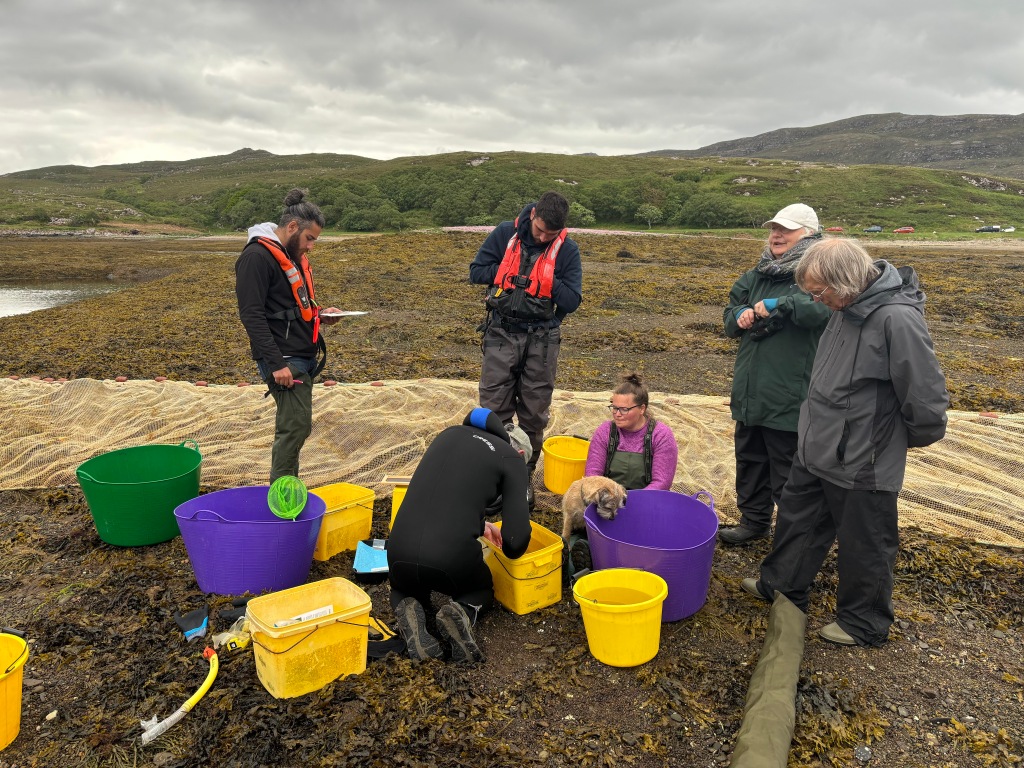
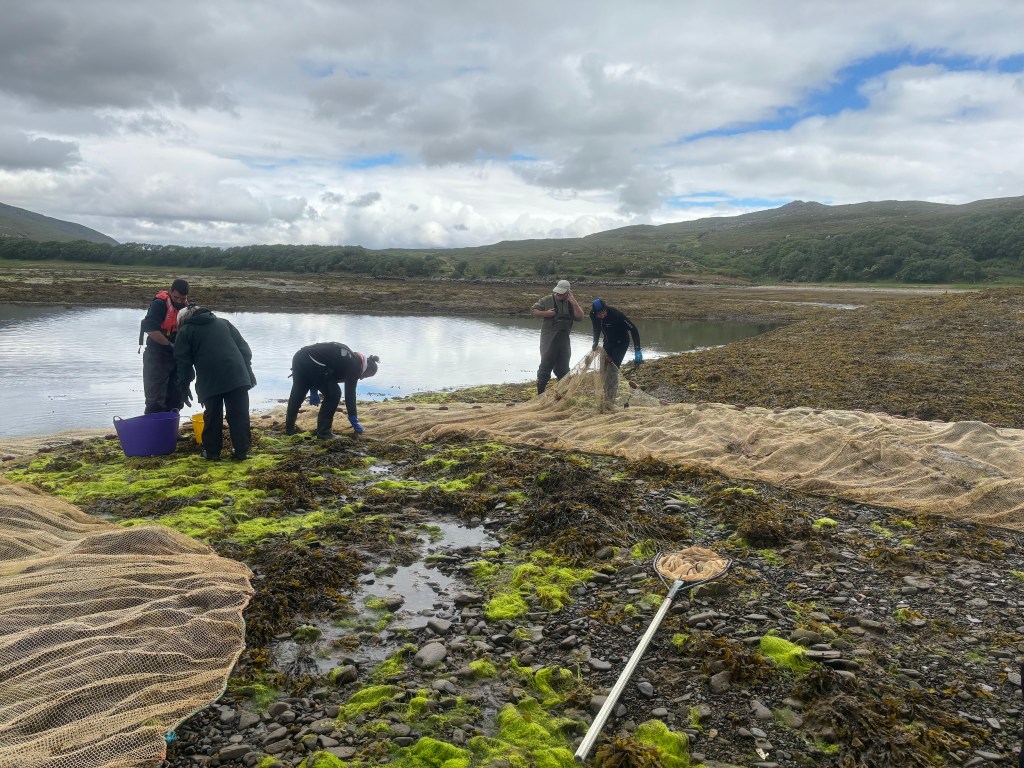
After two days of very heavy rainfall, particularly in the east of Scotland, Friday 24th May turned out to be a fine day for inspecting sea trout for lice in Kanaird Bay.
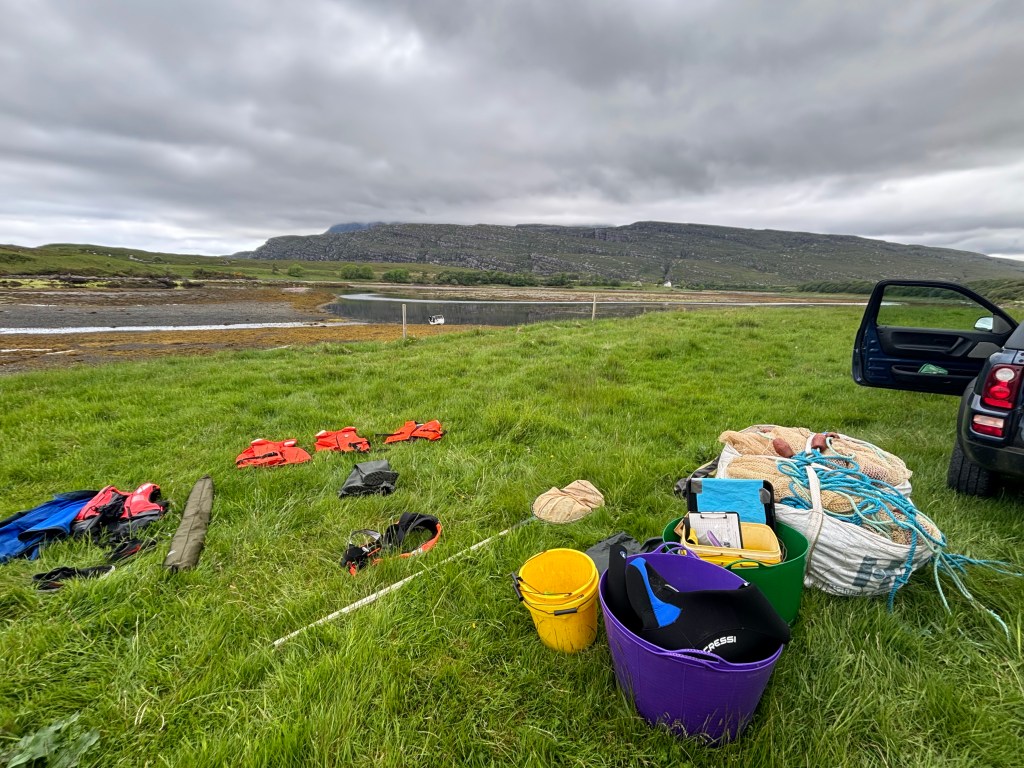
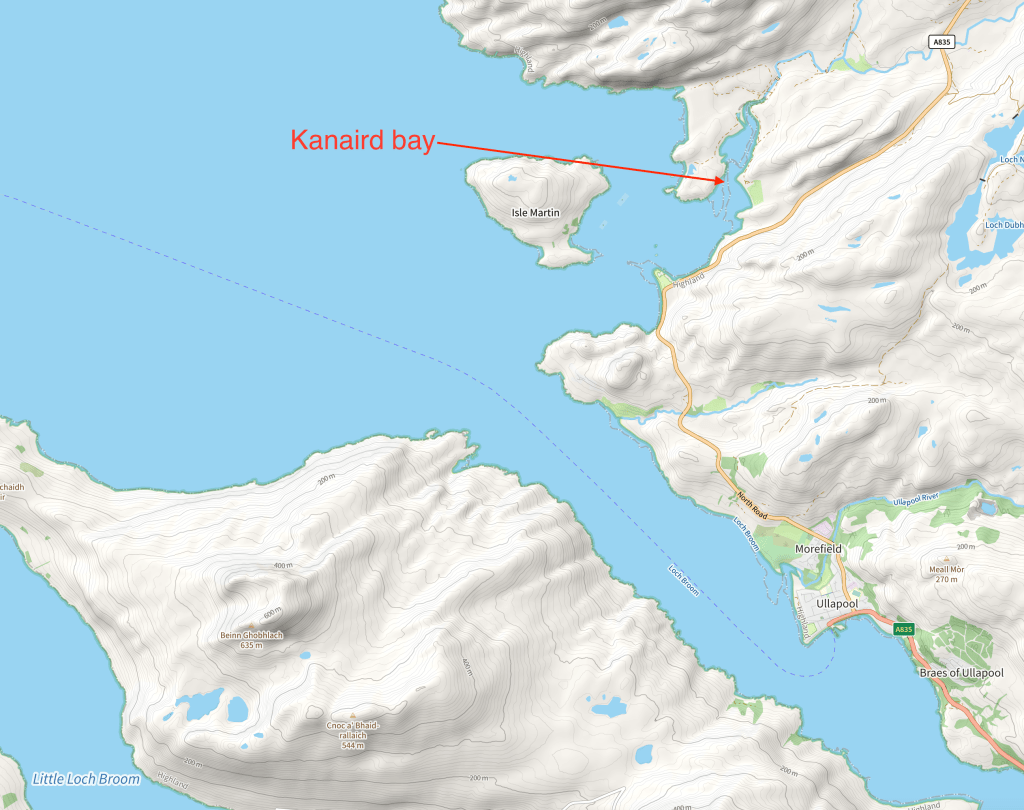
Kanaird bay is just a few miles north of Ullapool, and Peter Cunningham regularly monitors sea trout in this estuary for sea lice.
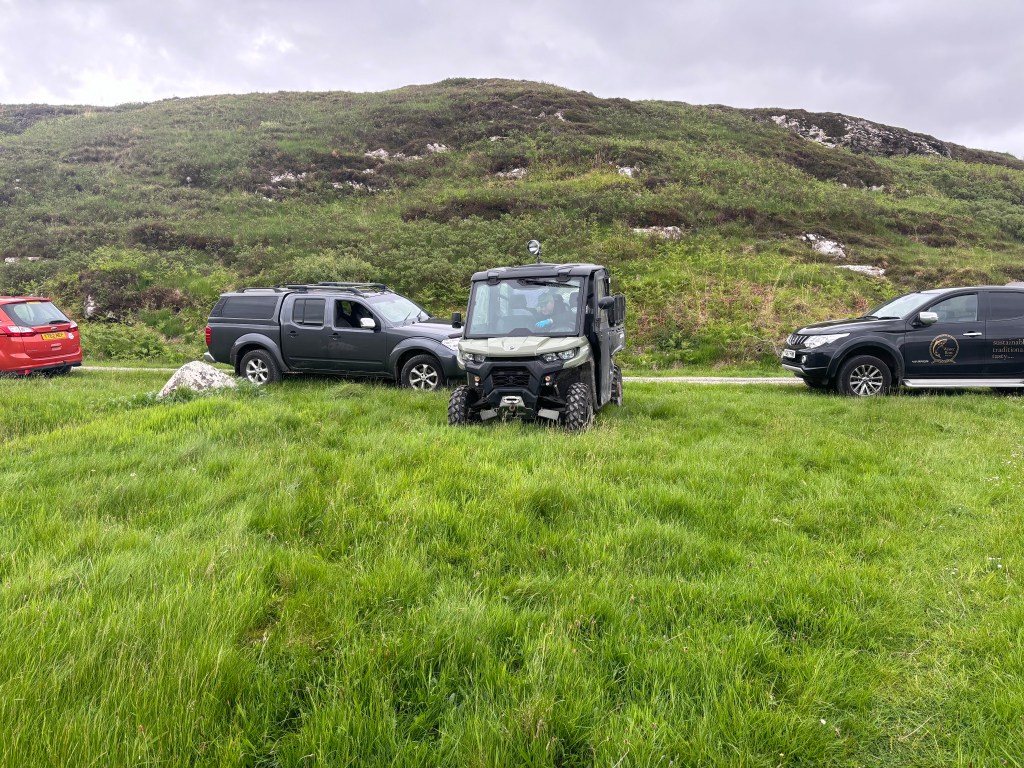
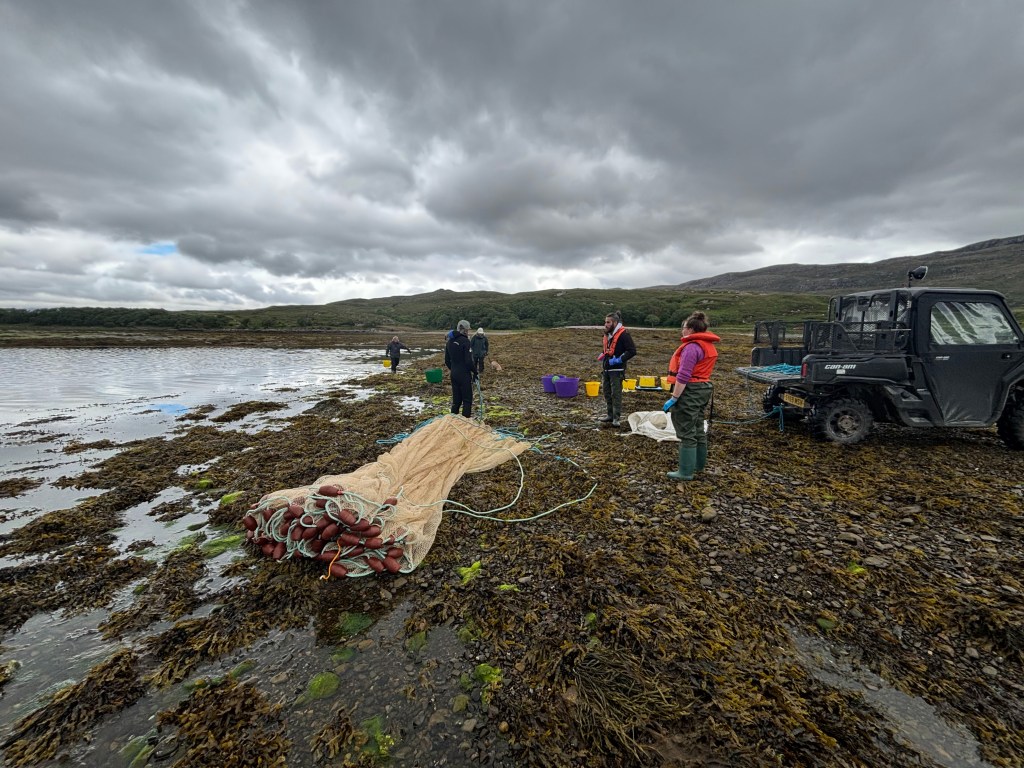
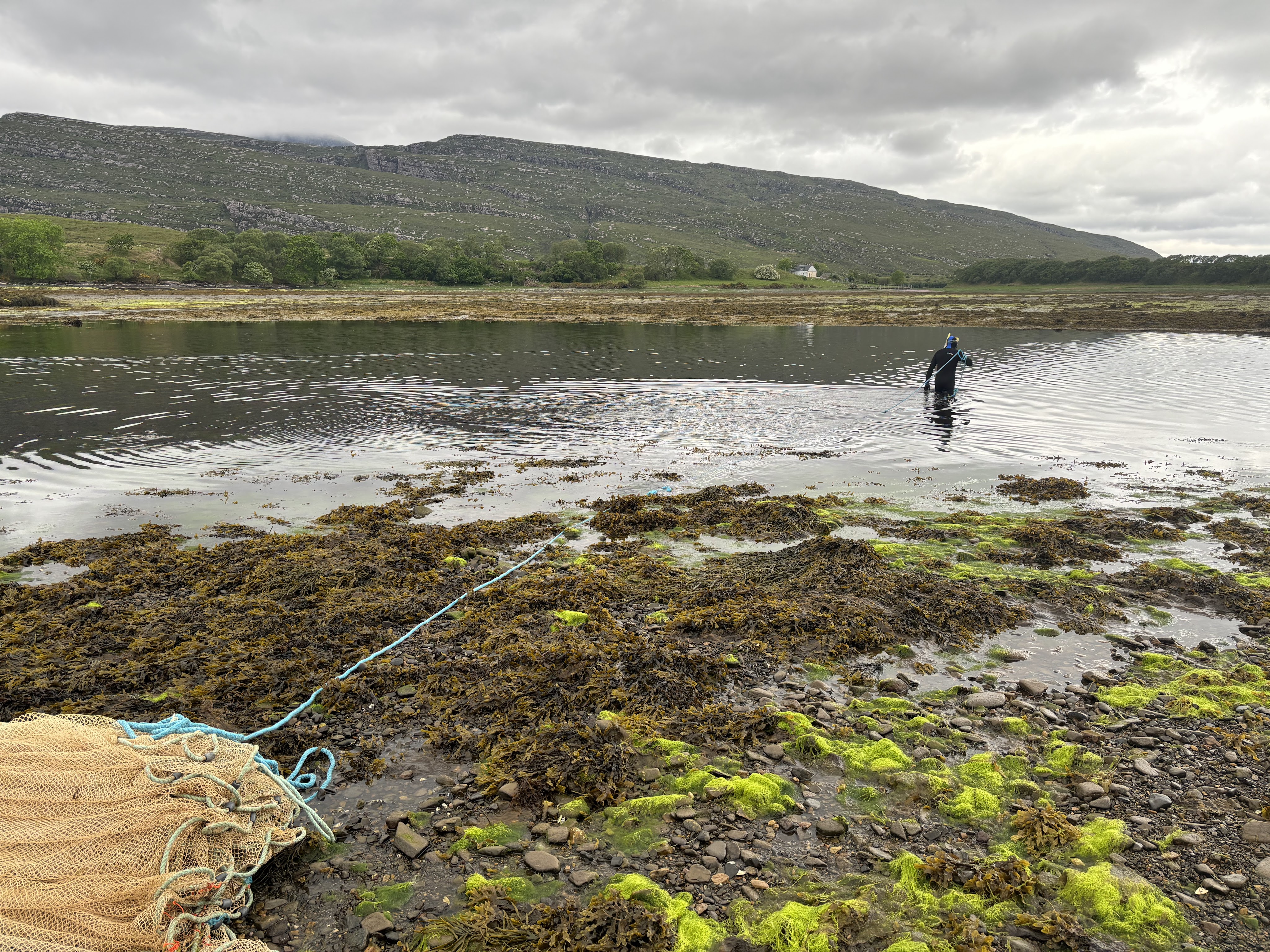
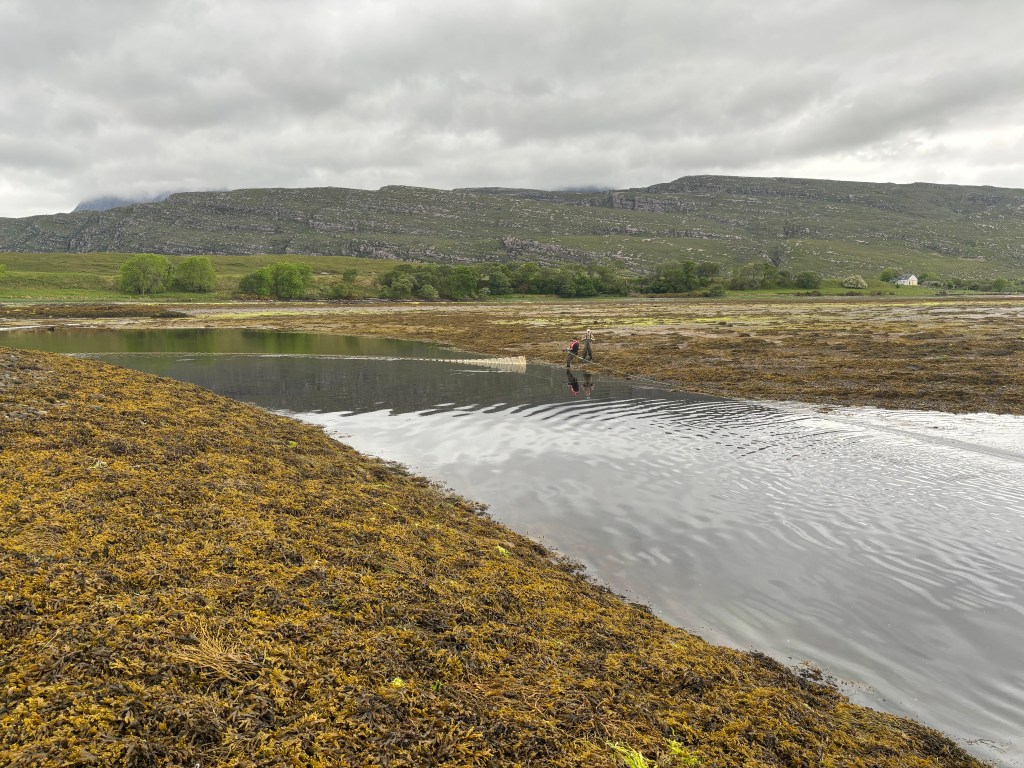
We were joined by a few regular volunteers (and their dog), and two employees from a local fish farm, and once the tide had receded sufficiently, we quickly set to work sweeping the estuary for fish.
The inspection process
There are quite a number of processes involved in checking the fish.
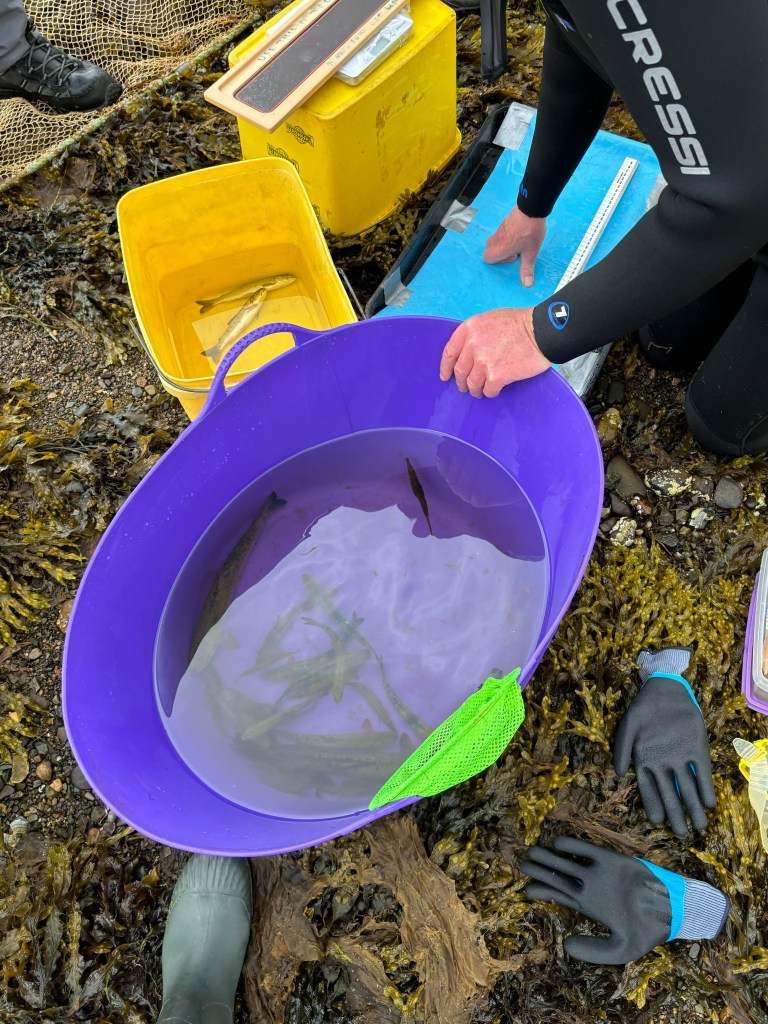
- Anaesthetising
- Measuring and weighing
- Photographing
- Collecting a scale sample
- Checking for lice, fin damage, black spots, predator damage etc and recording
- Returning to the sea
Anaesthetising the fish is a relatively straightforward process. Peter adds the anaesthetic to a bucket of sea water and then places the fish in it for a few minutes. He compares the dose to what you would receive at the dentist to numb your gums.
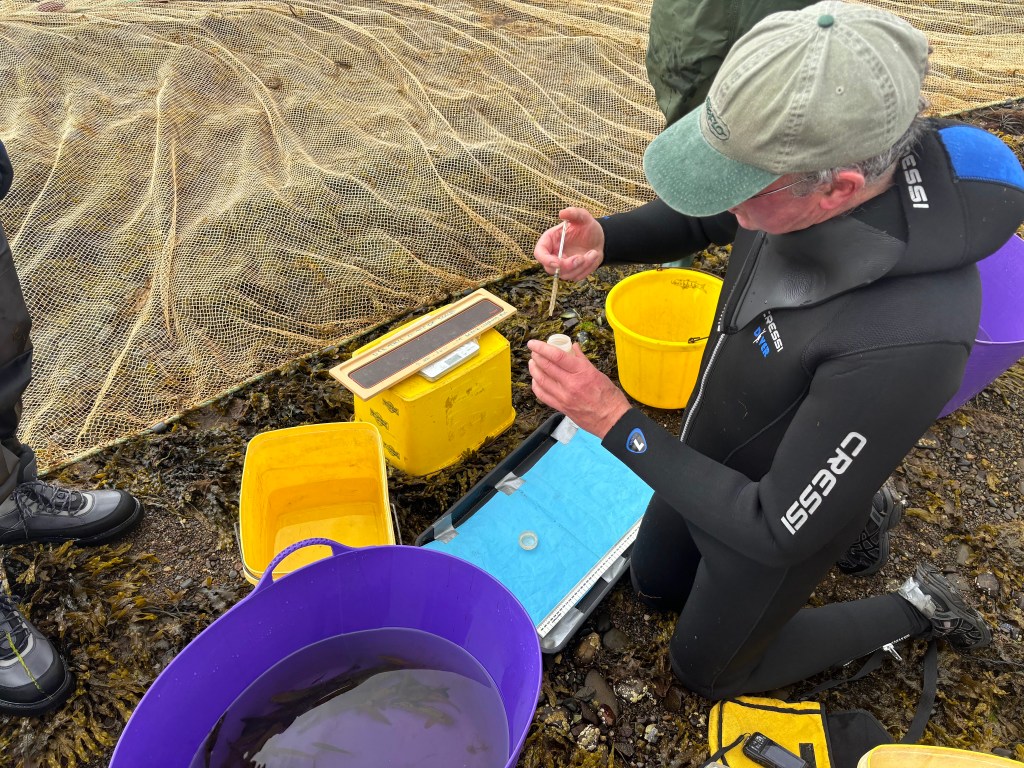
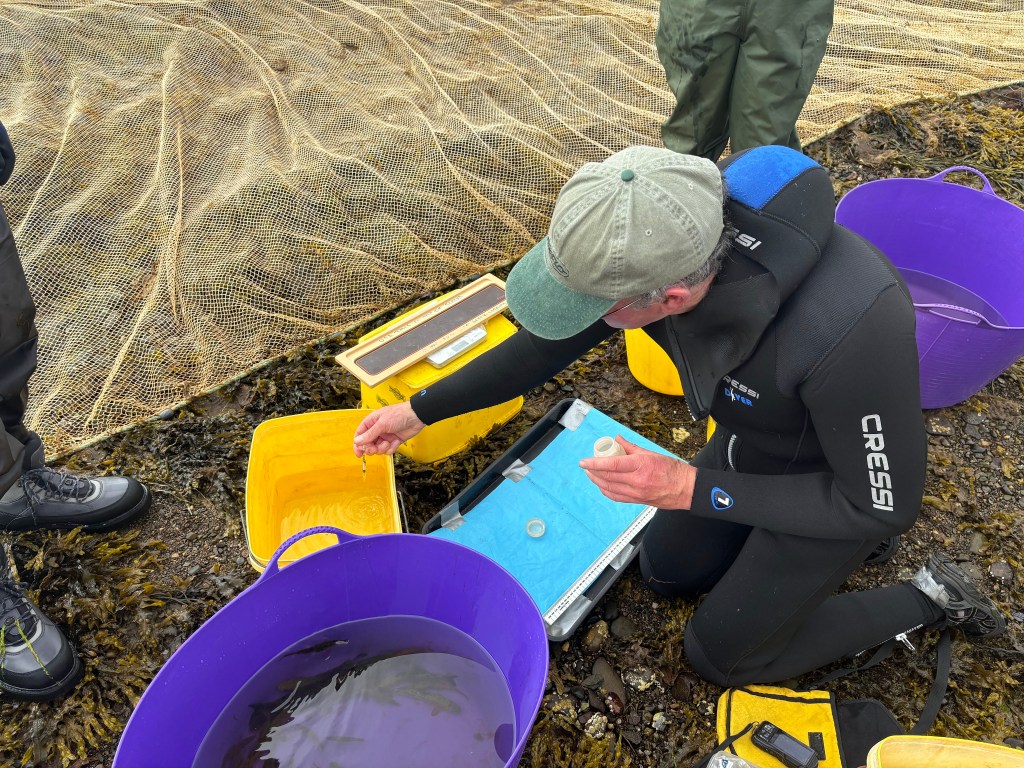
The process, part from administering anaesthetic can be viewed in this recording where “Fatfish” has their inspection!
The Louse
Sea lice are copepods; parasites that feed on the mucus, tissue, and blood of host fish like sea trout and salmon. Today we were able to see lice at different stages in their life cycle. See here for more on the louse life cycle.
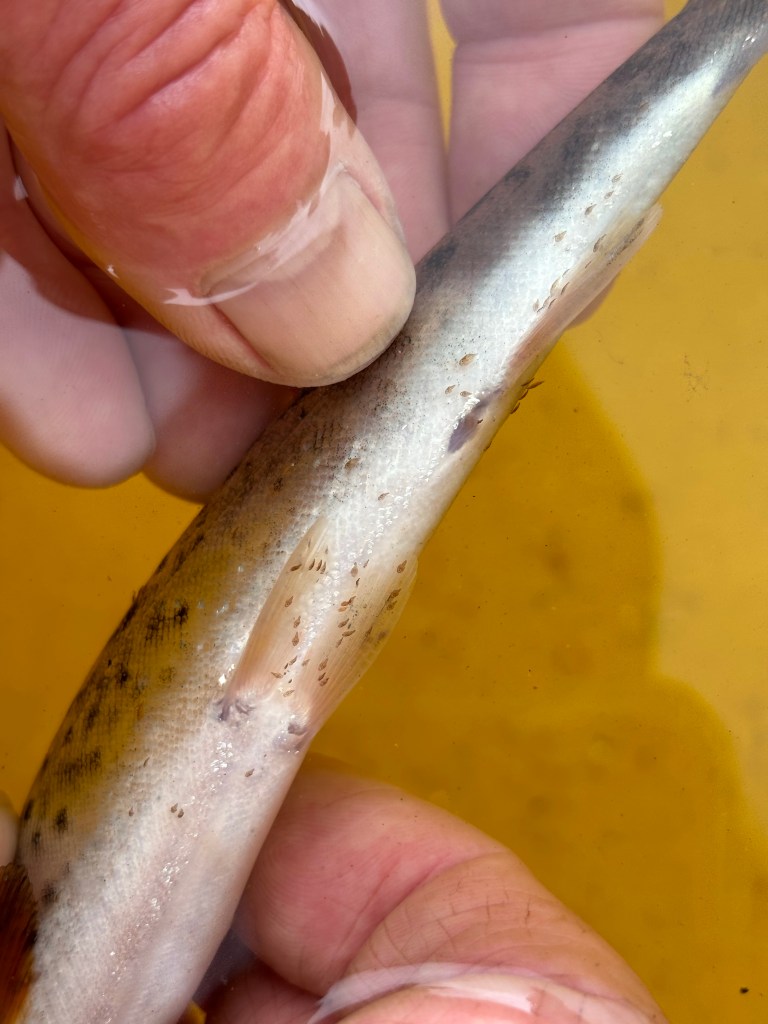
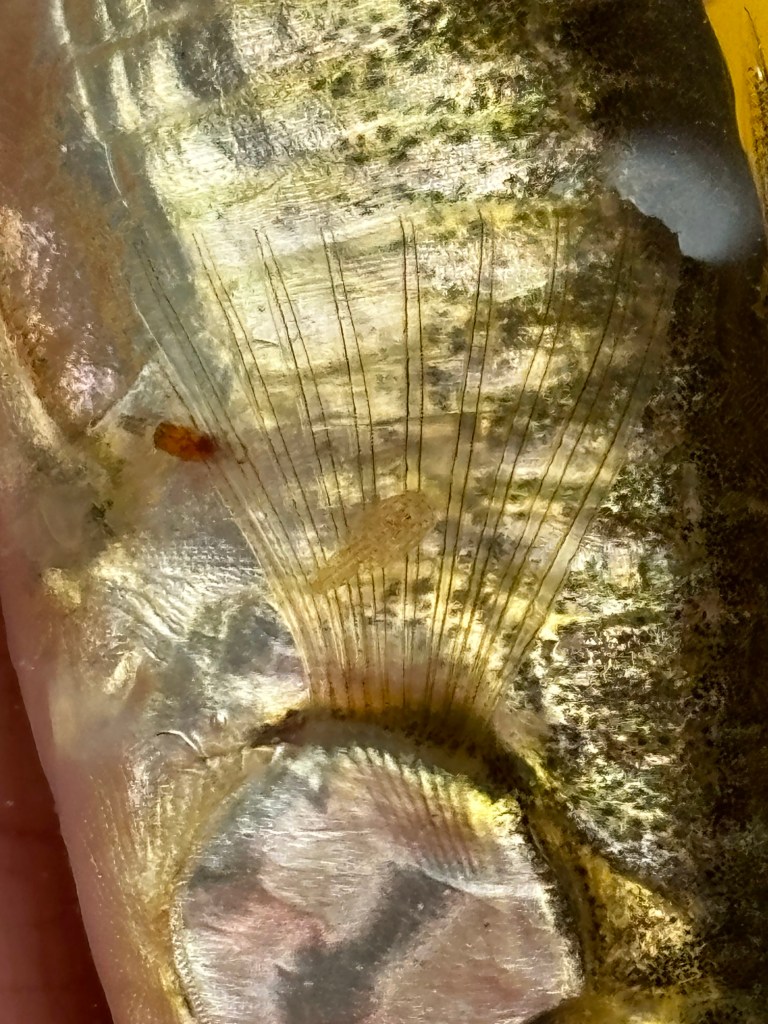
Lice only survive in sea water, so trout can return to freshwater to kill any lice that attach to them. However when Salmon leave the river they do not return for years, and so if they have picked up lice when they are young, the lice will remain on them at sea. Peter tells me that if a 20g salmon left the river with 20 lice, it most likely would not return to the river to spawn.
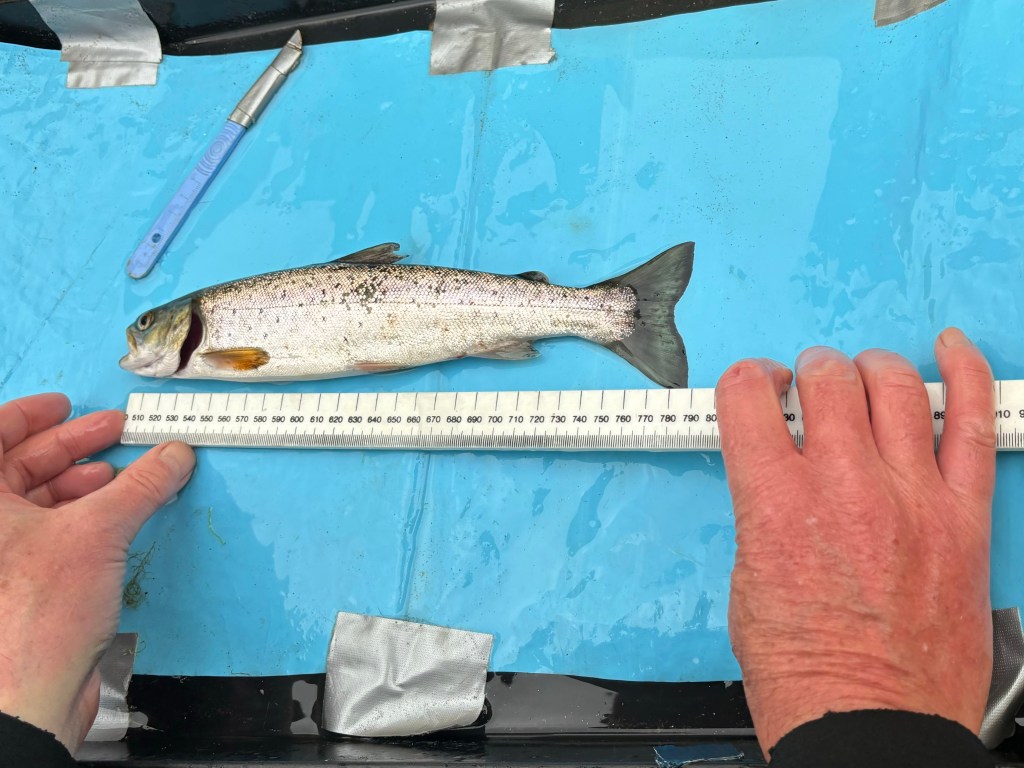
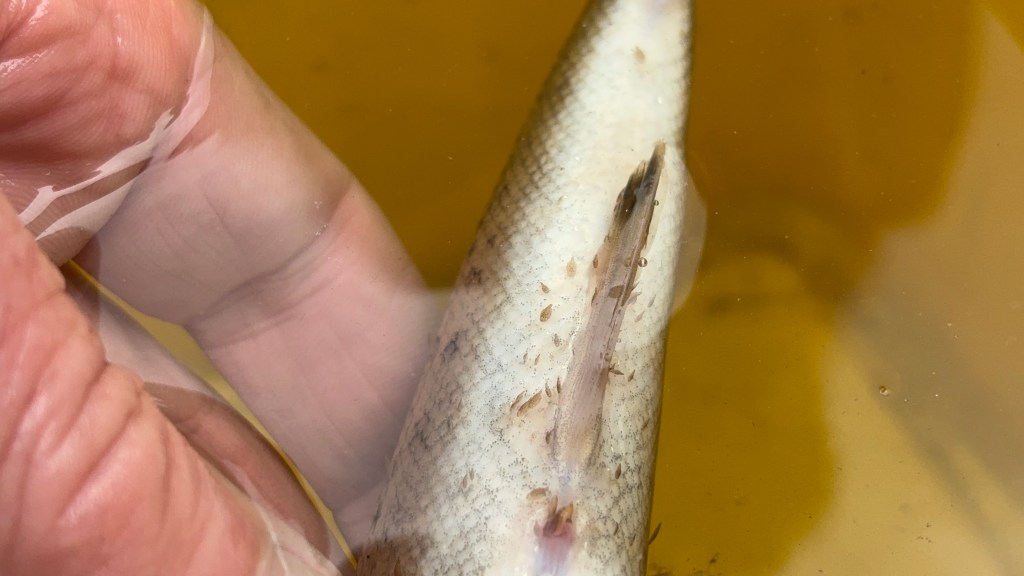
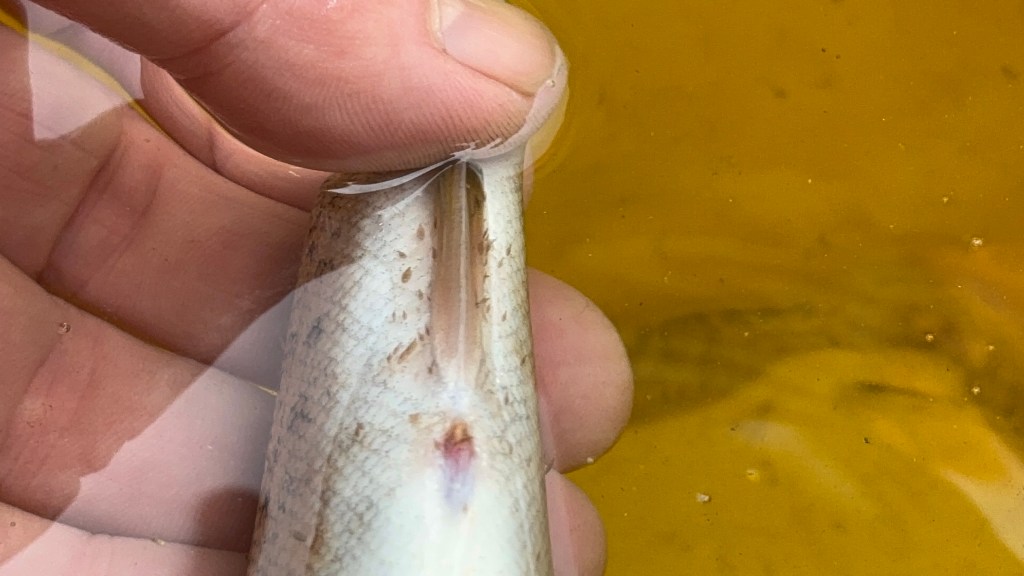
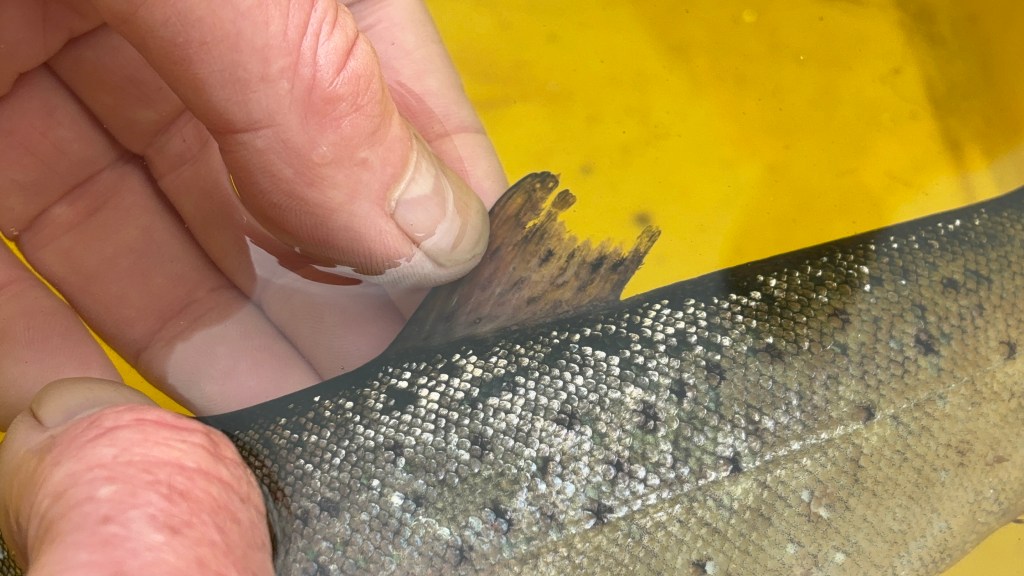
156 lice on a finnock
Toward the end of the sea trout inspection, Peter lifted out a fairly large sea trout (known as a finnock) with quite a large number of lice of different sizes, damage to its dorsal fin and a intestinal parasite -poor fella was in a bad way. Peter also inspected the gills, with the help of the experts from the fish farm – check out the video…
Slob trout
Some trout don’t ever really head out to sea. Peter calls them slob trout – to me they’re like Peter Pan, never really wanting to grow up and leave Neverland. The one advantage of staying forever young is that you stay lice free!
Stickleback and shrimp
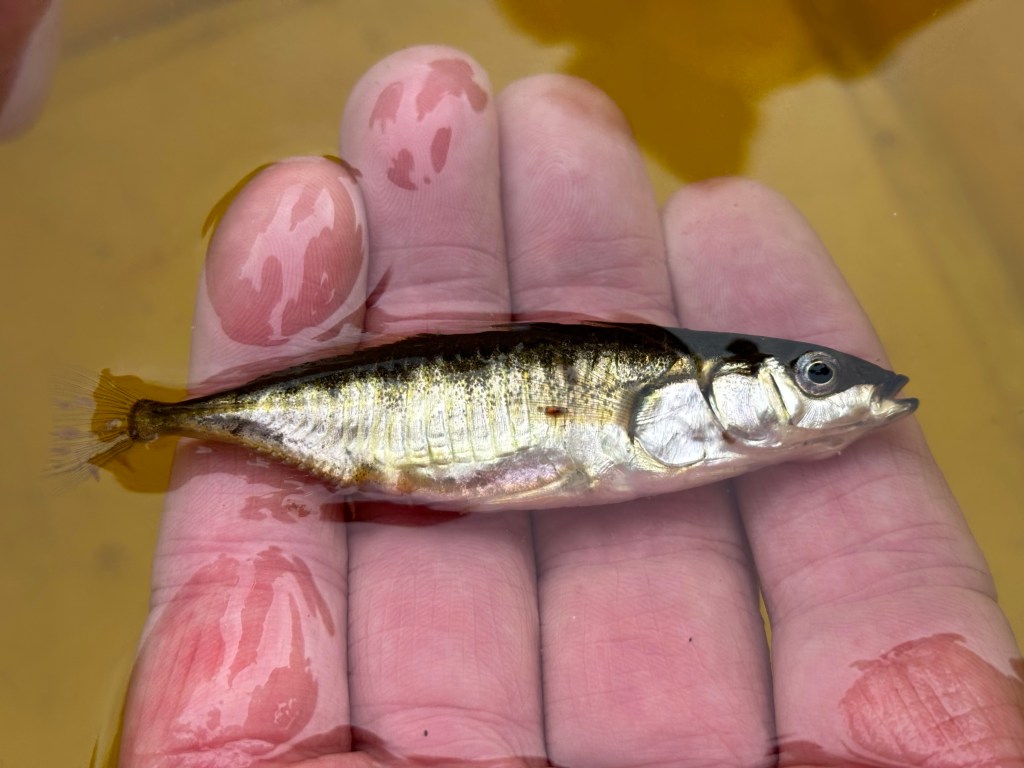
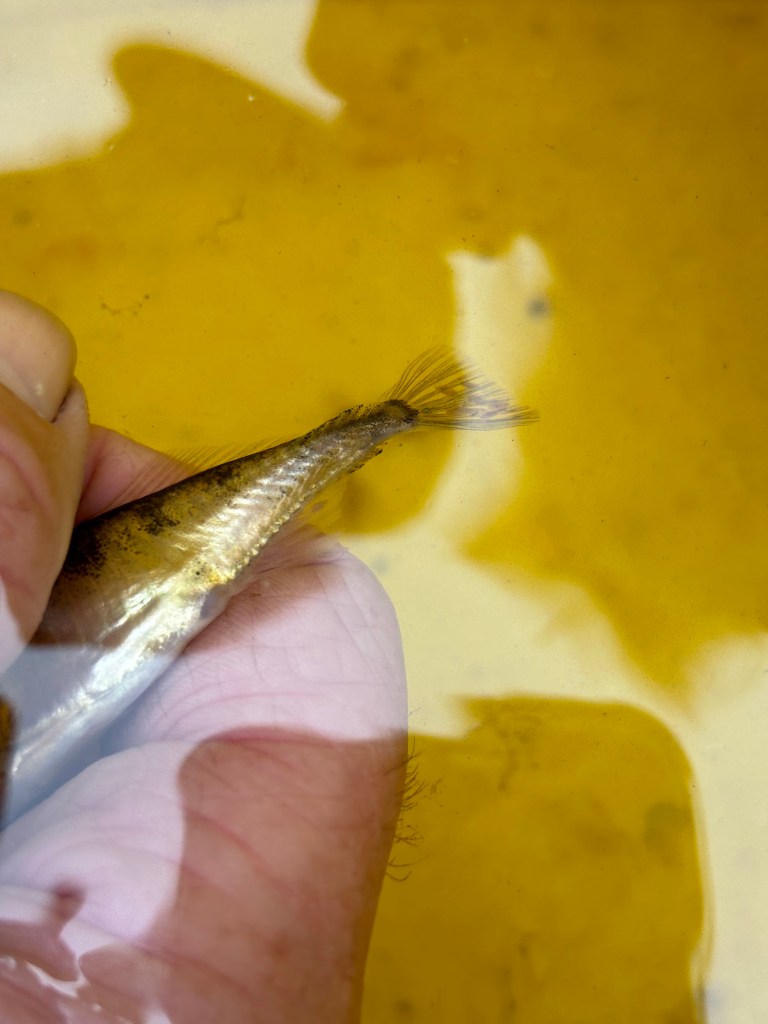
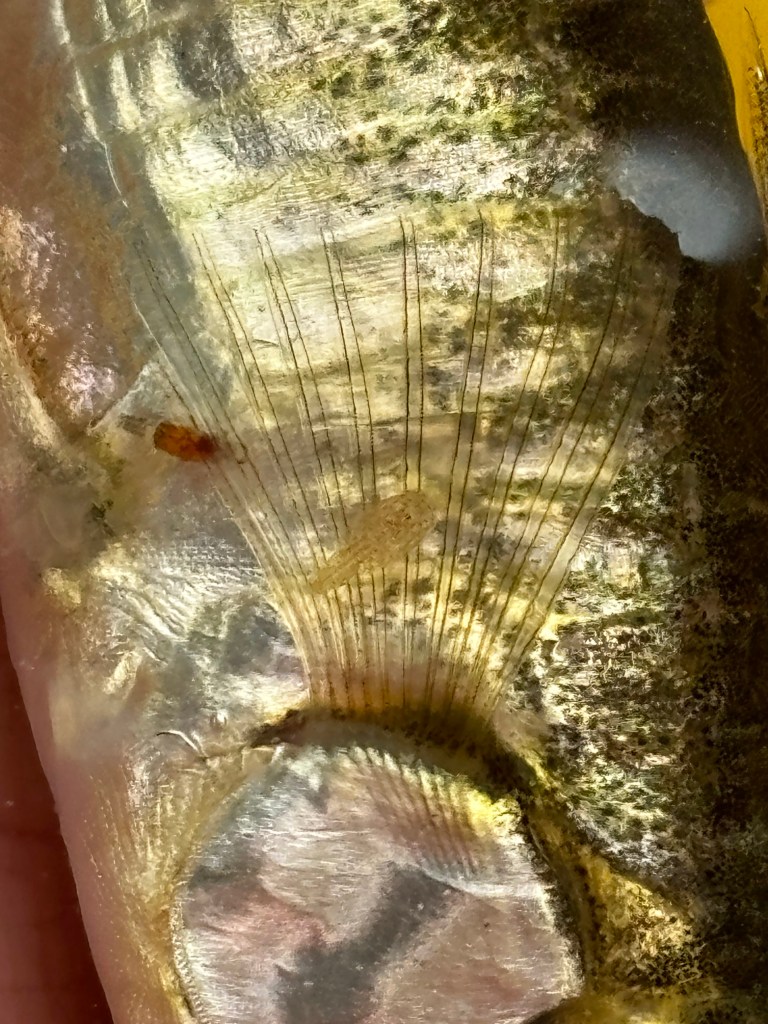
Once all the sea trout were inspected, there were a number of smaller fish in the collection bucket to inspect.
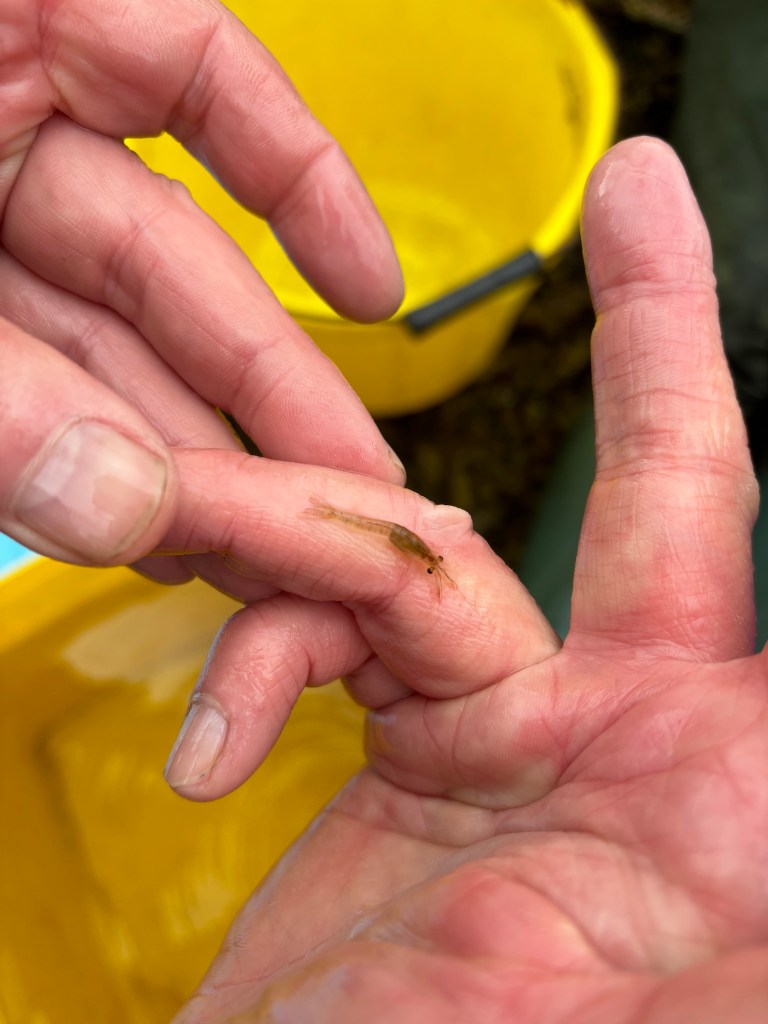
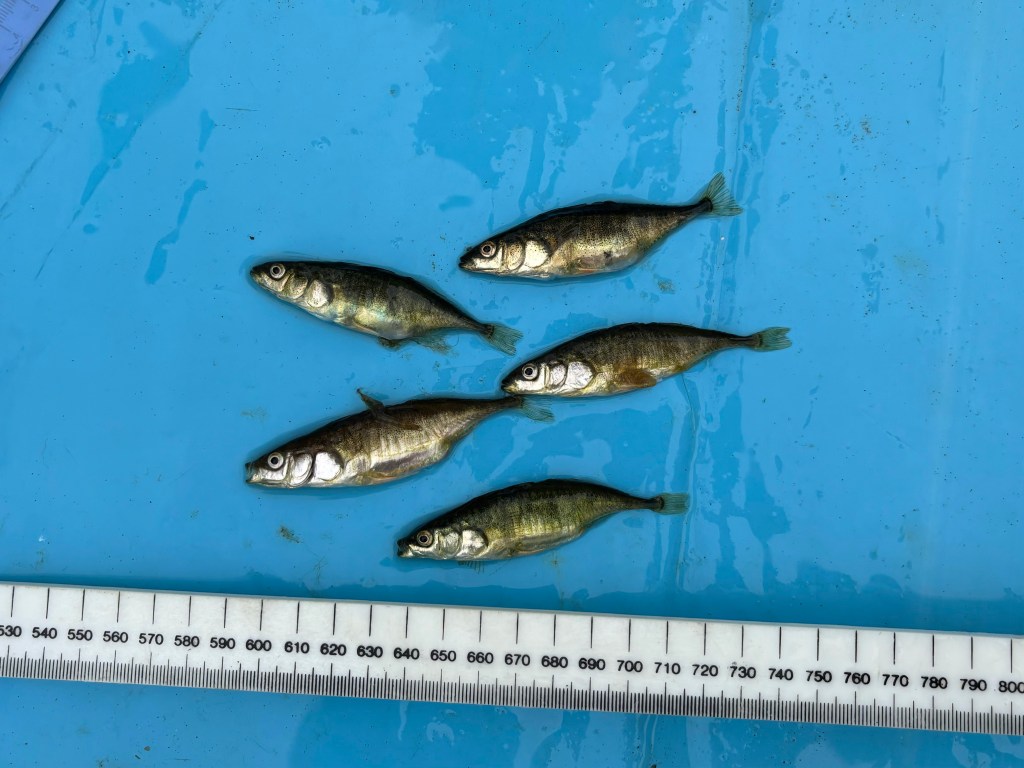
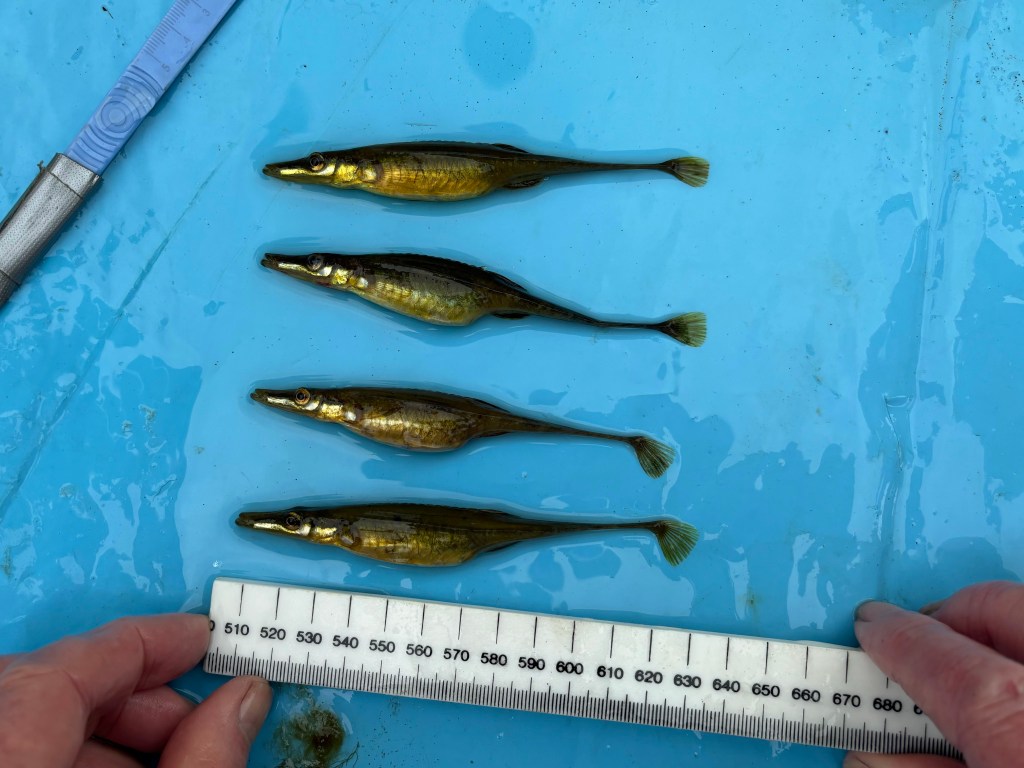
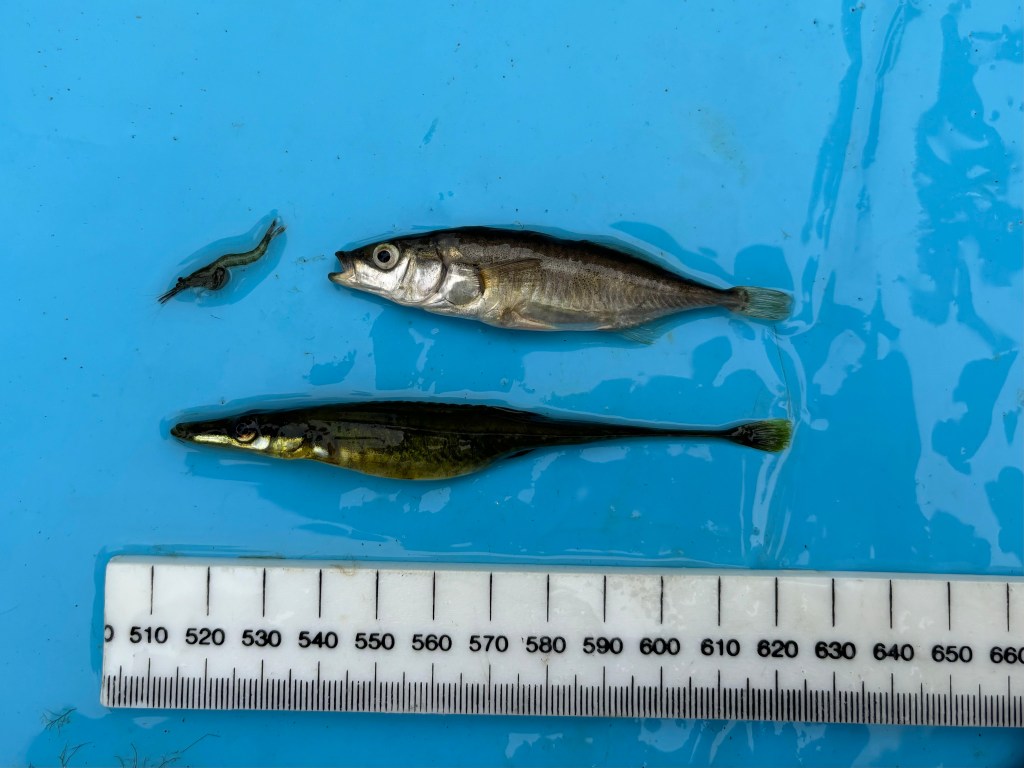
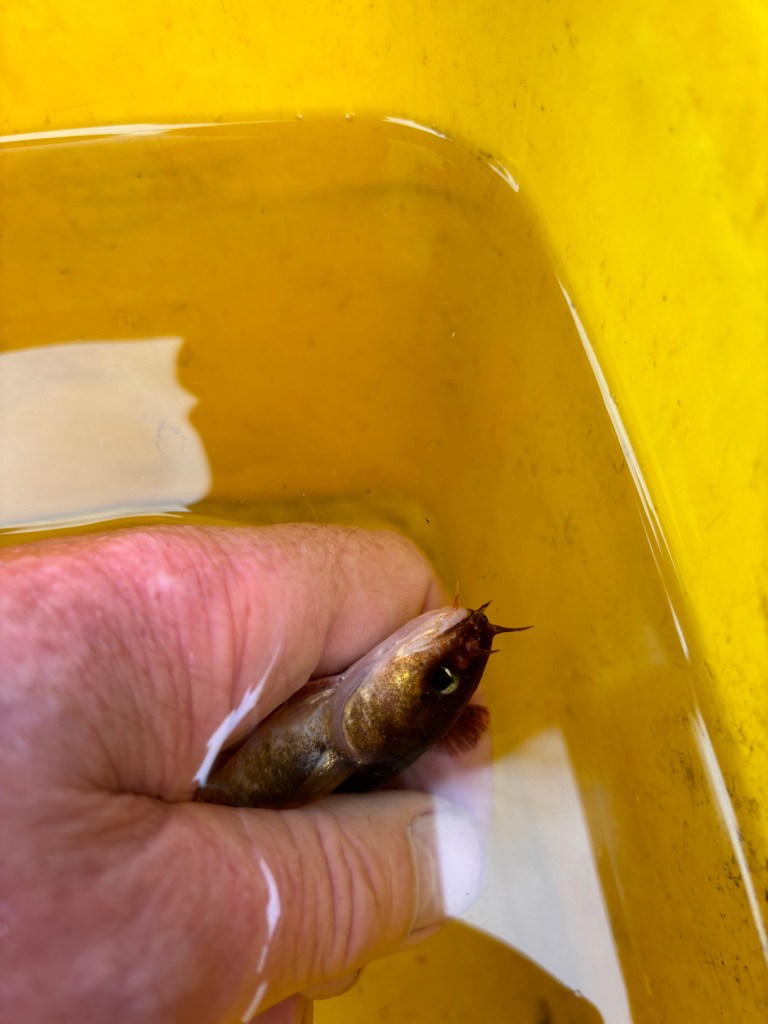
Peter had thought it was possible that the stickleback could be carriers of lice, but he did not have evidence until today.
Summary
Peter tells me that the numbers of lice we saw today were high, some of the highest he’s seen recently when scored as numbers of lice per gram of sea trout. His scientific report will be published on his website soon, no doubt with suggestions for local fisheries on how they can act to reduce the spread of lice on salmon and sea trout.
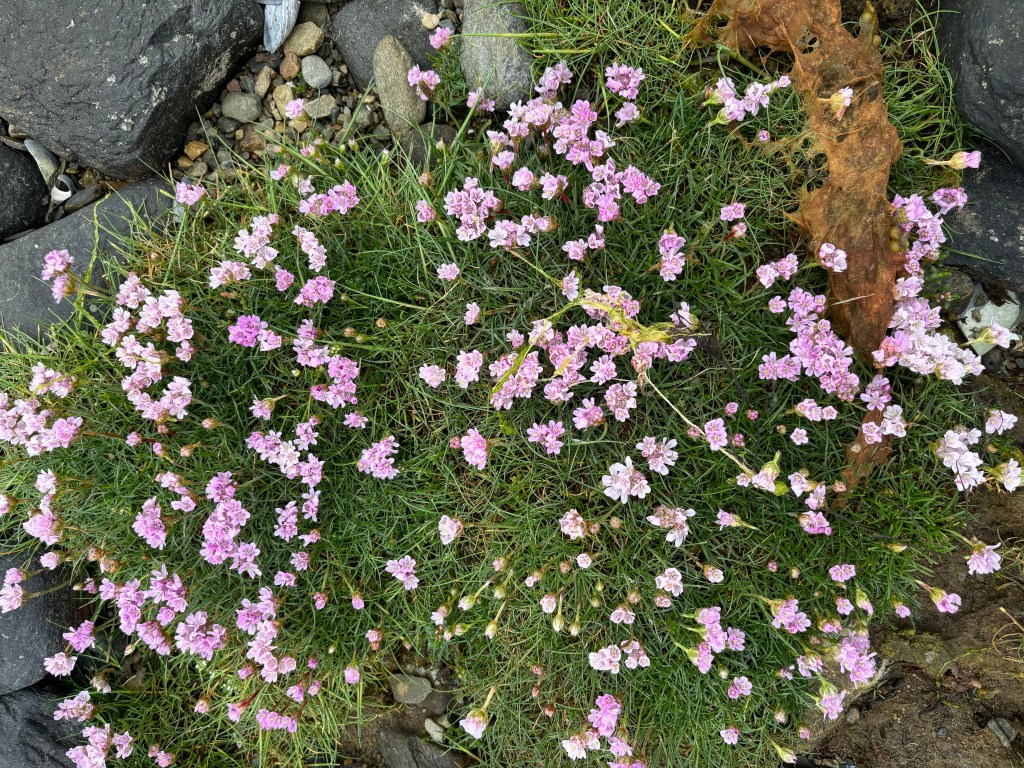
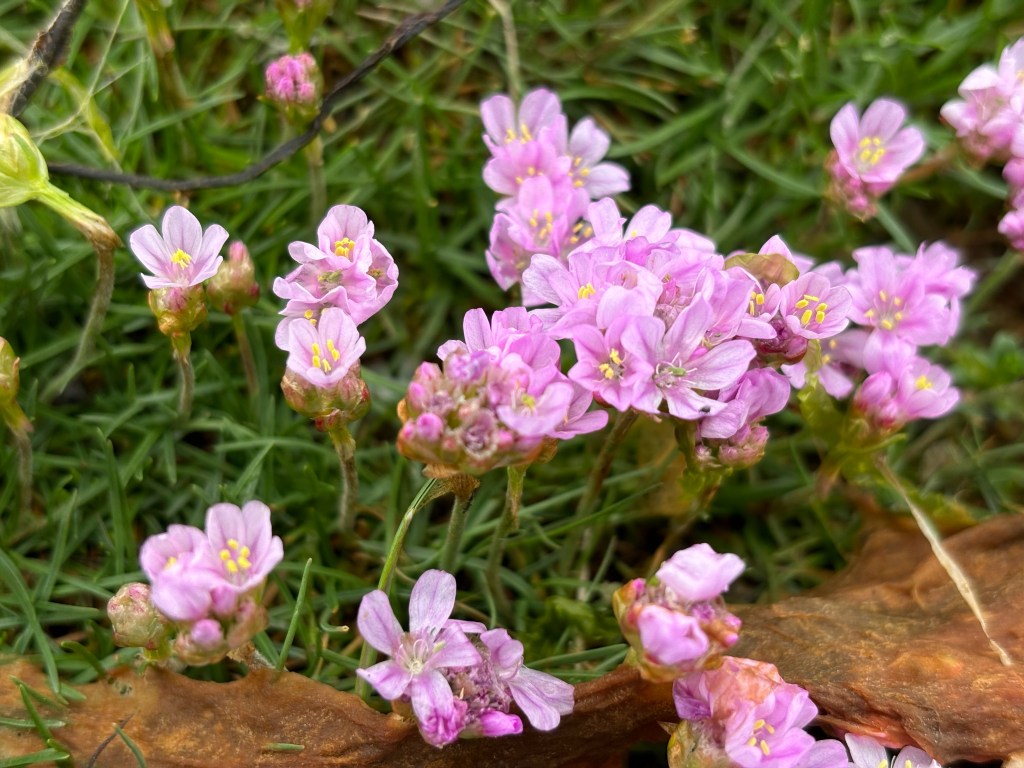
Aside – Thrift spotting
As we were walking back to the road, we spotted some thrift, or sea pink as it is know.

There were many varieties of seaweeds that I did not photograph, but maybe should have. I was able to recognise some from the nature trail walk I did with Peter and Jeremy weeks ago. The vast array of biodiversity on our shores is amazing, and yet, so often we are completely unaware of it.
I imagine the fish take more interest.




 Physics teacher’s sabbatical
Leave a comment